
Welcome to the world of entertainment curated by Mr. Anayveace Twine himself!
At Mahellc, we take pride in being your go-to destination for entertainment; we've got you covered. Rest assured that all the products featured on our site are carefully selected from our trusted partners. Your satisfaction and enjoyment are our top priorities. Get ready to immerse yourself in a world of endless entertainment possibilities with Mahellc!
Entertainment!
Middle Earth
Thaluneth
From the Templates of ?
By: Mr. A.Himself
Entertainment LLC
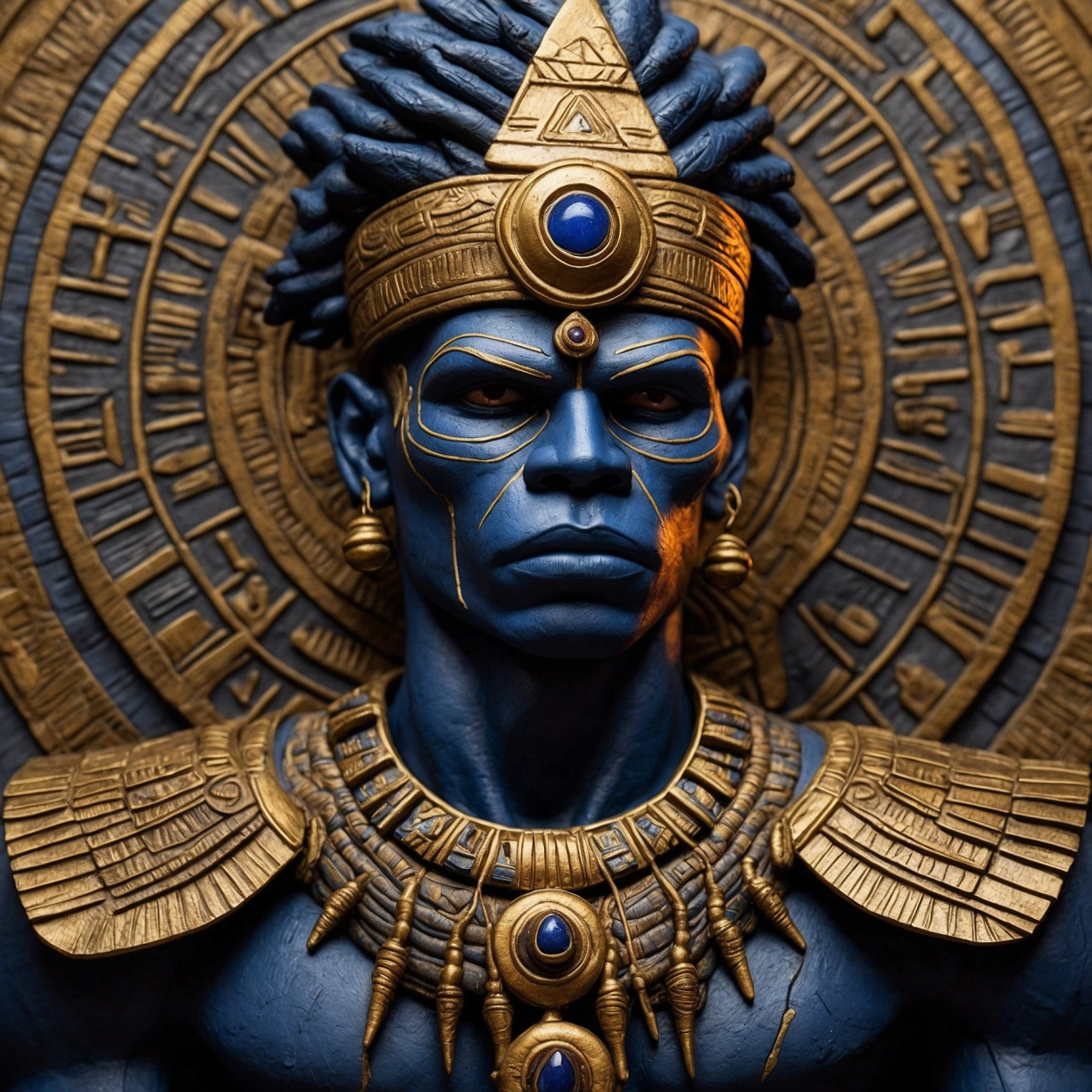
Thaluneth
Thaluneth in the Aflegenca language (devised from its evocative rune-script: ┼ᕡ⩩⨂) means “the Vaulted Heartland of Light”.
• Thalu- is derived from ancient roots signifying a vaulted or sheltering arch, alluding to the celestial vault that surrounds and protects the world.
• -neth invokes the essence of a heartland or central domain, symbolizing the world’s core—where life, magic, and history converge.
• Together, Thaluneth is more than a place—it is the sacred realm at the heart of creation, embraced by the great vault and illuminated eternally by the Heartfire Sun.
Aflegenca myth holds that “Thaluneth” is the name whispered by the world itself at its awakening: “the sheltered center where life and light are forever woven.”
The Sun at the Heart of Thaluneth
The Central Sun: Essence and Composition
Deep within the world’s core, the Aflegenca people speak of the Heartfire Sun—a radiant sphere suspended in the vast, hollow expanse known as the Inner Vault. This sun is not made of ordinary flame, but of living light: a swirling fusion of golden aether, crystalline embers, and the breath of ancient spirits. Its surface shimmers with shifting runes and symbols, pulsing in rhythms that echo the world’s own heartbeat.
• Core Material: Luminous aether, crystalline embers, and spirit-breath.
• Appearance: A sphere of molten gold, veined with iridescent colors and ancient glyphs.
• Aura: Radiates warmth, gentle light, and a subtle song that can be felt in the bones.
Effects on Living Beings
The Heartfire Sun is the source of all life and magic in Middle Earth:
• Vitality: Its rays nourish the roots of the world-trees, quicken the blood of creatures, and infuse the land with endless fertility.
• Magic: Living beings attuned to the sun can channel its energy, granting them powers of healing, growth, and transformation.
• Mood and Mind: The sun’s song inspires dreams, courage, and creativity, but when it dims, melancholy and strange visions may arise.
What Keeps the Sun in Place?
The Heartfire Sun floats at the perfect center, held in balance by the Four Pillars of Equilibrium—immense, invisible forces that stretch from the world’s crust to its core:
• Pillar of Gravity: Draws the sun toward the center, anchoring it in place.
• Pillar of Harmony: Tunes the sun’s energy to the needs of the world, keeping it stable.
• Pillar of Time: Causes the sun to pulse and shift, marking the passage of days and seasons.
• Pillar of Will: Formed from the collective hopes and dreams of all living things, this force ensures the sun never falters.
Sunrises and Sunsets in a Hollow World
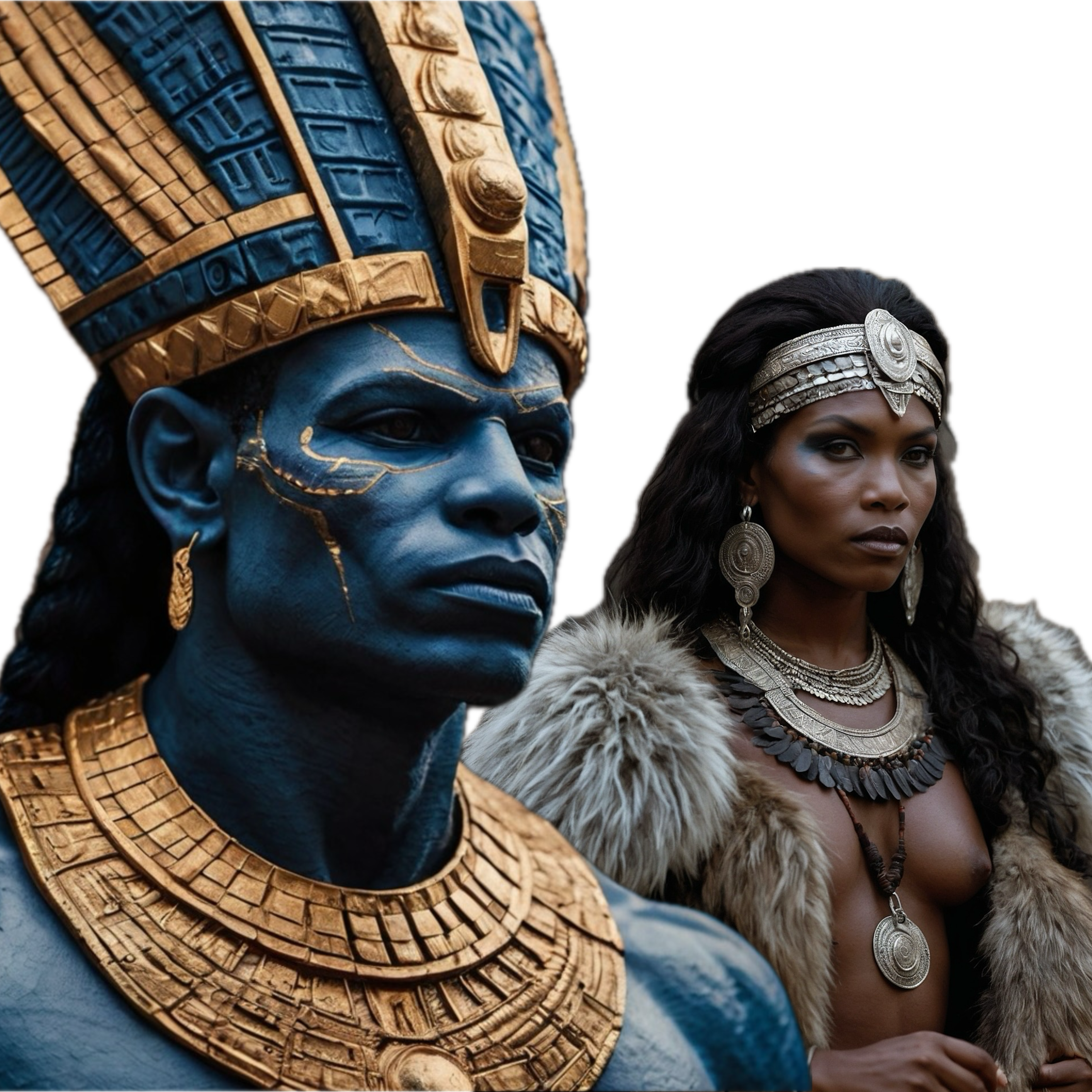
Though the Heartfire Sun remains at the center, the illusion of dawn and dusk is created by the Veils of the Vault—vast, floating continents and clouds of shimmering dust that slowly orbit within the Inner Vault:
• As these veils drift, they periodically obscure and reveal the Heartfire Sun, casting regions into shadow or bathing them in radiant light.
• The movement of these veils is guided by ancient, unseen beings known as the Shapers, whose dance choreographs the cycles of light and darkness.
The Rhythm of Days
| Time of Day | Description |
|---------------|-------------------------------------------------------------|
| Dawn | Veils part, golden light pours through, awakening the land. |
| Midday | Sun fully revealed, magic and life at their peak. |
| Dusk | Veils drift back, light softens, shadows lengthen. |
| Night | Sun hidden, only faint glimmers and the Vault’s stars seen. |
Vivid Life Under the Heartfire Sun
- Fauna: Creatures with mirrored scales and eyes that reflect the Heartfire’s glow roam the land.
- Civilizations: Cities are built to catch the sun’s rays at different times, with festivals marking the first and last light.
In this world, the sun at the center is not merely a source of heat and light—it is the living heart of all existence, woven into every story, every breath, and every dream.
Key Elements of the Hollow Earth Setting
Hollow Interior
Vast Cavernous World: Beneath the Earth's surface lies an immense, hollow realm. Instead of forests or grasslands, the landscape is dominated by dramatic stone formations, mineral-rich mountains, vast underground oceans, and glowing crystal fields. Rivers of liquid minerals and lakes of bioluminescent fungi provide both resources and beauty.
Unique Ecosystems: Life has adapted to the absence of traditional plant life. Fungi, lichens, and mineral-based organisms form the foundation of the food chain. Some creatures derive energy from geothermal vents or the inner sun, while others feed on mineral deposits or each other.
Openings at the Poles
Polar Gateways: Massive, hidden entrances at the North and South Poles serve as the only natural access points to Middle-earth. These gateways are shrouded in perpetual mist and guarded by ancient, enigmatic races. Legends speak of explorers who vanished after crossing these thresholds, never to return.
Inner Sun
Central Light Source: At the heart of Thaluneth floats a radiant inner sun, smaller than the surface sun but powerful enough to illuminate the entire hollow world. Its light is softer and tinged with hues of gold and violet, creating perpetual twilight. The inner sun’s warmth sustains life and powers unique energy cycles, such as geothermal and mineral-based processes.
Inhabited Inner World
Diverse Civilizations: Thaluneth is home to a multitude of advanced and ancient races, each adapted to the world’s unique environment:
Aflegencas: A race of crystalline beings who draw sustenance from the inner sun’s energy and communicate through resonant vibrations in the stone.
Legeneese: Amphibious dwellers of the underground oceans, known for their bioluminescent skin and intricate mineral architecture.
Kubbits: Small, industrious tunnelers who build sprawling cities in the cavern walls, using bones, shells, and metals in place of wood.
Brutemen: Powerful, nomadic tribes who herd subterranean beasts and trade in rare minerals.
Malpheggi Lizardmen: Reptilian scholars and alchemists, masters of the fungal arts and keepers of ancient lore.
Other Races: Centaurs adapted to rocky plains, orcs who thrive in the absence of sunlight, and mysterious, long-lived beings who claim descent from lost surface civilizations.
Society and Technology: Without wood or traditional agriculture, societies rely on:
Fungi and Algae: As primary food sources, cultivated in vast underground farms.
Animal Husbandry: Domestication of subterranean creatures for food, labor, and materials.
Stone, Bone, and Metal: Used for construction, tools, and art. Rope and textiles are made from animal hair, sinew, and fungal fibers.
Energy: Geothermal vents, mineral batteries, and the inner sun power technology and industry.
Culture and Myth: The absence of horticulture shapes every aspect of life. Art, religion, and myth center on stone, light, and the mysteries of the inner sun. Legends tell of Agartha, a utopian city at the world’s core, and of ancient surface dwellers who fled below to escape cataclysm.
Table: Races and Adaptations in Middle-earth
Race, primary habitat, key adaptations, and main resources used
Aflegencas crystal caverns, energy absorption, resonance crystals, minerals
Legeneese underground oceans bioluminescence, amphibious shells, minerals, fungi
Kubbits Tunnel networksDigging, engineering bone, metal, animal fibers,
brutemen, rocky plains strength, herding animal products, stone
Malpheggi Lizardmen Fungal forests/cavesAlchemy, knowledge of fungiFungi, minerals
Centaurs, Orcs, etc, varied and adapted to darkness, strength, stone, and animal products
Conclusion
Thaluneth, as envisioned in the Hollow Earth Theory, is a thriving, complex world where civilizations flourish without traditional plant life. The unique environment fosters innovation, resilience, and a rich tapestry of cultures, all illuminated by the mysterious inner sun and connected through the great polar gateways.
Unique Civilizations Thriving Inside a Hollow Earth Without Surface Flora or Fauna
The Storm’s Crucible: Aftermath and Awakening
A New way of Entertainment
Anayveace Twine provides readers with a whole new way of storytelling. Here you will be able to really gain a bond with each character. We give the readers the oppertunity to choose which character(s) they favor most and dive head first into the story, from the chosen character's point of view.