
Welcome to the world of entertainment curated by Mr. Anayveace Twine himself!
At Mahellc, we take pride in being your go-to destination for entertainment; we've got you covered. Rest assured that all the products featured on our site are carefully selected from our trusted partners. Your satisfaction and enjoyment are our top priorities. Get ready to immerse yourself in a world of endless entertainment possibilities with Mahellc!
Entertainment!
The First Breath
Aruzhin: The Trial of the Silent Core
From the Templates of ?
By: Mr. A.Himself
Entertainment LLC
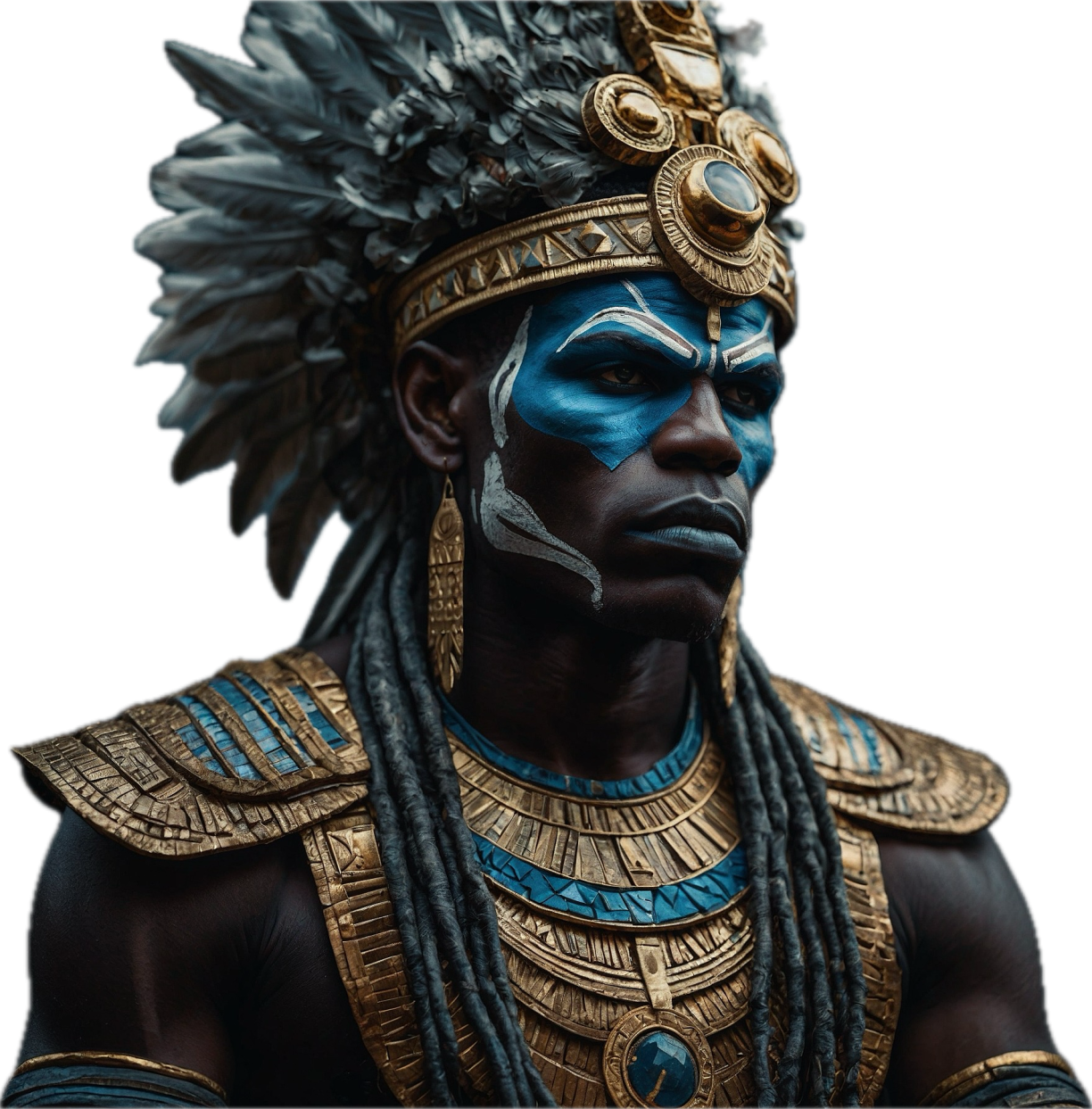
Prologue: Neh’Therra (The Hollow Navel)
Meaning: "No Pulse, No Memory." The realm that exists at the absolute center of the Earth—below magma, below roots, below time. It is the deepest womb and yet stillborn. A place where not even hate or hunger survives. A place where nothing loves.
Prologue: Descent Before Silence
The air shimmered like glass warped by ancient heat. Beneath their feet, the obsidian ledge crumbled into endless dark—a shaft that pulsed not with flame, but with absence. They stood at the brink, where the last whispers of the world above still dared to echo, and beyond, began the great fall into Neh’Therra.
Aruzhin knelt, his fingers brushing the char-streaked stone, as if hoping for one last pulse of life. Nothing answered. Not a vibration. Not a hum. Even the Earth’s blood—the molten seas below—refused to flow near the Hollow Navel.
Khalithar, the shapeshifter, stood a few paces behind, its form constantly shifting like smoke unsure of which shape to grieve in. Today, it wore the shape of a dying stag wreathed in ash. Its antlers dripped slow tears of fire.
“You still mean to go,” Khalithar rasped, voice brittle as old bones.
“I must,” Aruzhin replied, not turning. “There is something buried down there. Something older than intention. If I do not face it, it will remain... feeding, unacknowledged, unchallenged.”
Khalithar snorted—a hiss through scorched nostrils. “And what do you hope to find in a place that even love has forgotten?"
“Truth,” Aruzhin said softly. “Possibly power. Possibly... a means to restore what’s failing above.”
Khalithar’s limbs twisted, rearranged, reshaped until he stood in the form of a withered old woman draped in bark and ash. Her eyes—two dim embers—glared into Aruzhin’s soul.
“Pros, you say? Fine, I will speak them aloud so your soul knows what it risks.”
She raised a crooked finger.
“One: You may find the heart of Neh’Therra. If it has one. Perhaps it can be bound, harnessed, forced to pump life back into a dying world.”
“Two: You will become something other, perhaps greater—if you survive.”
“Three: The world above may forget sorrow if you drag its opposite screaming from below.”
Aruzhin stood and faced her, his eyes the color of old lightning. “And the cons?”
Khalithar’s skin peeled away, revealing a skeletal jackal beneath. “One: You will be forgotten—not by name, but by meaning. Your legacy will hollow. Even those who loved you will remember you with no warmth.”
“Two: If you stay too long... you will love nothing. You will carry back a silence that deafens every bond you've ever made.”
“Three: If Neh’Therra notices you… it may shape you in its image. And it does not shape with hands. It subtracts. You will not return changed. You will return less.”
Aruzhin nodded slowly.
“Then I walk the wound of the world not for power... but to understand why it festers.”
Khalithar stepped closer. The flame-tears returned.
“Then go,” the shapeshifter whispered.
“But do not expect me to follow. I am many things—mirror, mask, shadow. But I am still a child of love. And Neh’Therra has none.”
And so Aruzhin descended.
Alone.
Unblessed.
Toward a silence so vast
that even creation holds its breath.
Chapter I – The Hollow of Echoes
Aruzhin’s first step into Neh’Therra was like stepping through the skin of the universe. No sound accompanied it—no hiss of descent, no grinding of rock or howling wind. Even silence had a shape in the world above, but here, it was an absence with weight, pressing against his bones, stealing the breath before it left his lips.
There was no light, but somehow he saw. Not with his eyes—those betrayed him instantly, rolling blind in their sockets—but with something deeper. A second sight forged from sorrow, tuned to pain, allowing him to perceive by wounds in reality.
And what he saw made him falter.
The walls of Neh’Therra were not stone. They were memories trapped in decay—thousands of faces, half-formed and flickering like torn film, embedded in the black flesh of the tunnel that spiraled ever downward. Some screamed in reverse. Others smiled with hollow mouths. Their eyes blinked in loops, frozen in moments of cosmic betrayal. As he walked deeper, voices began to press into him—not heard, but impressed upon his soul like stains. Not his memories, not entirely. These were fragments from other realms, the psychic residue of entities long consumed by Neh’Therra.
“He promised me ascension...”
“Tell the suns I am not dead, only unwritten.”
“I built a city of blood and it was never enough.”
“I miss the stars. I miss my sister. I miss having form.”
The tunnel widened, becoming a cathedral of crumbling divinity. Pillars made from bone-spiraled truths reached upward toward nothing. And there, floating above shattered altars, Aruzhin saw them: visages of the lost.
An angel drifted upside down, wings plucked and bleeding feathers made of lightless glass. It chanted prayers in reverse tongues, its halo shattered and rotating in orbit like dying moons.
A demon, bloated with despair, gnawed endlessly on its own name carved into flesh. Its eyes were doorways to burnt-out heavens.
A goddess, or what remained of her, flickered in and out of shape—a skeletal silhouette draped in starwebs. Her hands were locked in an eternal act of creation, but the child she formed kept dissolving, over and over again.
Each of them had come from other entry points—tears in reality that threaded through dimensions like arteries. Neh’Therra called to them not as a destination, but as a final undoing. A place where power fled, identity unraveled, and names forgot themselves.
Aruzhin’s chest tightened. Not from fear, but from pressure—like his essence was being compressed, sifted, deconstructed.
Suddenly, a shadow peeled itself from the wall. It had no face, no gender, no identity—only presence. It drifted toward him with movements that mocked walking.
“You carry weight,” it whispered, its voice like nails pulled from old wood. “You must trade something to continue.”
Aruzhin clenched his fists. “What do you want?”
The shadow opened its palms.
“Give me your name. Or your purpose. One or the other. You cannot keep both.”
Behind him, the walls began to whisper louder. Forgotten gods, grieving demons, unfinished angels—all waiting to see what he would sacrifice nex tto go deeper into the womb where nothing loves.
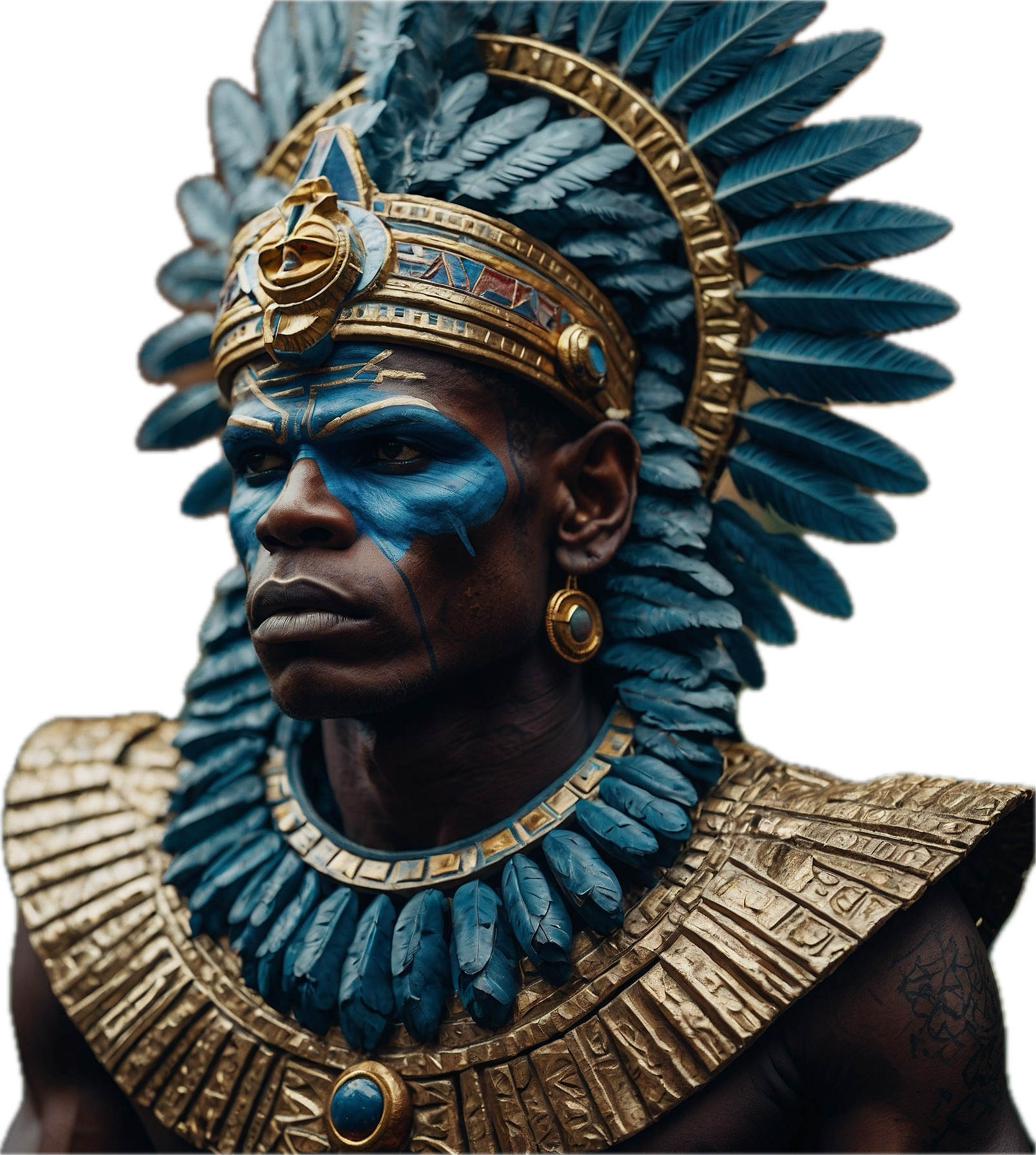
Chapter II.I– The Choir of the Unmade
The deeper Aruzhin descended, the more unreality peeled against his skin like frostbite made of memory.
Here, there was no heat, no cold—only a constant undoing, an erosion of the senses that made even time forget which direction to crawl. The walls no longer held form; they wavered like curtains of undone thought, stitched from failed ideas and aborted realms. Every now and then, the folds parted to reveal a glimpse—a flash—of what should never have been born.
He had passed through the Valley of Fossil Light. He had faced the mimic spawned by his darkest potential. But the path continued, spiraling through madness in forms no geometry dared define. Each step cracked something in him. Not bone. Not faith. But identity.
At last, the tunnel opened.
And what lay beyond was a hollow cathedral —not built, but negated into existence.
The floor was a still lake of unlight, a liquid so absent it mirrored absence itself. Aruzhin stepped across it, and the ripples formed not circles, but names—names of gods and souls and once-beautiful things that had entered Neh’Therra and never left whole. Each one vanished the moment he read it, devoured by the realm’s refusal to remember.
Then came the voices.
Not echoes, not hallucinations, but a choir—a chorus of the unmade.
They sang not with mouths but with regret.
“I was the Seraph Yel’Kael, who danced on Saturn’s rings and composed symphonies in solar wind—now I am silence.”
“I was Azhtor, the Demon of Clever Sins, who whispered into the hearts of kings—now I cannot lie, for I have no voice.”
“I was Amaedine the Weaver, goddess of beginnings. I wove the first breath into the lungs of stars. Now my loom is ash, my threads are void.”Aruzhin dropped to one knee. His hands trembled. The weight of so many broken divinities—angels, devils, spirits, sovereigns—was unbearable. Their presence wasn’t malevolent. It was grieving. They had once meant something. Now, they were artifacts of erosion. Not killed… but unmade by the Silent Core’s hunger.
And worse—they knew it.
They remembered being whole.
And they could see him.
Aruzhin’s divine spark flickered like a guttering star. That was all the invitation the Choir needed. Dozens of them surged forward—not attacking, not screaming, but pleading.
“Take us with you.”
“Use our bones to build a stair.”
“Let us cling to your meaning. Let us become part of you.”
Their forms slid over him like oil—molten regrets, whispers of what they had once protected. One wrapped around his ankle, another seeped through his shoulder like a second skin. Each one begged to belong to something again.
“We will make you stronger.”
“We will make you remembered.”
“We will be your voice, your armor, your prayer.”
But Aruzhin knew.
This was not salvation.
This was possession.
To carry them would be to wear the weight of forgotten gods, to speak with a mouth not wholly his. To ascend as a chimera, a monument to divine guilt. A false redemption.
And so he stood, trembling, and refused.
“I came to understand. Not to consume.”
The Choir screamed—not in rage, but in mourning—and recoiled, vanishing back into the lake.
Aruzhin walked forward, alone once more
Beyond the cathedral of the Unmade, the Core stirred.
It had noticed him.
Ancient Relics
of
Aruzhin
The Storm’s Crucible: Aftermath and Awakening
A New way of Entertainment
Anayveace Twine provides readers with a whole new way of storytelling. Here you will be able to really gain a bond with each character. We give the readers the oppertunity to choose which character(s) they favor most and dive head first into the story, from the chosen character's point of view.